Booking a cruise alone can be incredibly exciting, but looking at room categories and pricing structures often feels confusing. If you are preparing for your first solo voyage, you might be worried about finding the right room without overpaying. This guide explains exactly how solo cruise ship cabins work, the difference between dedicated solo rooms and standard cabins, and how you can avoid the dreaded single supplement. By the end of this article, you will know exactly which cabin type fits your travel style and budget.
The Short Answer: What Are Solo Cruise Ship Cabins?
Solo cruise ship cabins are staterooms specifically designed and priced for one person. Traditional cruise ship pricing is based on double occupancy, meaning two people per room. If you book a standard room by yourself, cruise lines typically charge a “single supplement” fee to make up for the second passenger. To attract solo travelers, many modern cruise ships now offer dedicated solo cabins. These rooms bypass the single supplement entirely. They are usually smaller than standard rooms and are often located together in exclusive areas, but they offer the exact same onboard privileges as any other cabin.
Understanding Your Two Main Booking Options
When you decide to sail alone, you actually have two different paths for booking a room. Understanding both options is the key to finding the best deal.
Option 1: Dedicated Solo Cabins
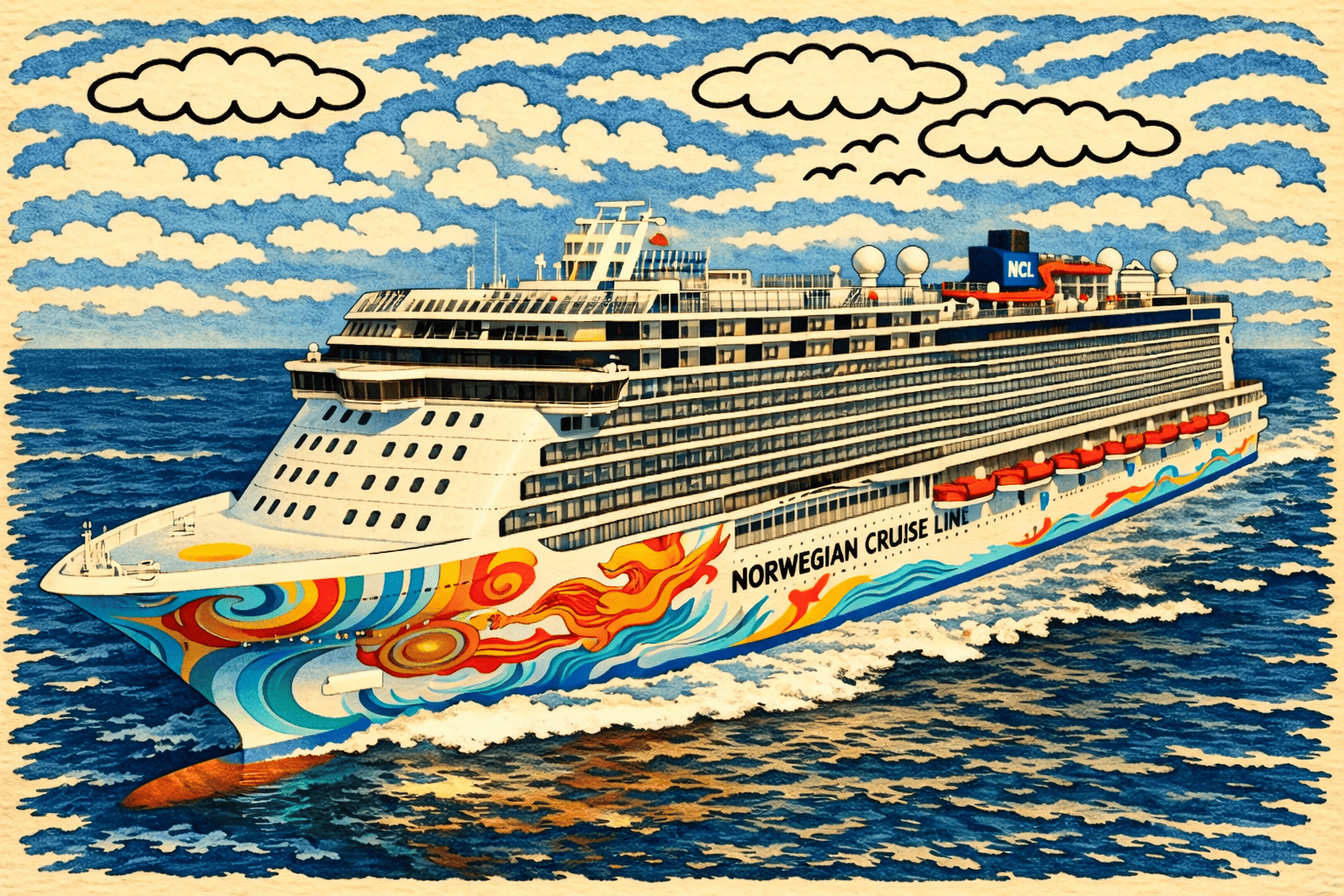
Also known as studio cabins or single staterooms, these are built specifically for one traveler. The bed is usually a full size or twin, and the square footage is smaller than a traditional cabin. Because they are priced for one person, there is no single supplement. On some ships, such as those in the Norwegian Cruise Line fleet, these solo cruise ship cabins are grouped together in a private complex that includes an exclusive lounge for solo guests.
Option 2: Standard Cabins as a Solo Traveler
You do not have to stay in a studio cabin just because you are traveling alone. You can book any standard interior, oceanview, balcony, or suite cabin on the ship. The catch is the pricing. Because the cruise line expects two paying guests in these rooms, they will charge you a single supplement. This fee can range from 10 percent to 100 percent of the second person’s fare. In the worst cases, you end up paying double the advertised per-person rate.
Types of Dedicated Solo Cruise Ship Cabins
In the past, solo travelers were relegated to the smallest, windowless rooms in the center of the ship. Today, the landscape has changed dramatically. Cruise lines now offer a variety of options for solo cruisers.
Solo Interior Rooms
This is the most common type of solo cabin. These rooms have no windows and measure around 100 square feet. They are efficient, cozy, and perfect if you plan to spend most of your time exploring the ship or going on port excursions.
Solo Oceanview Rooms
These cabins offer a porthole or picture window. They provide natural light and a view of the passing scenery. Royal Caribbean and Celebrity Cruises both offer fantastic solo oceanview options on their newer ships.
Solo Balcony Rooms
Yes, solo travelers can have balconies too. Lines like Virgin Voyages and Royal Caribbean offer single occupancy balcony cabins. These are perfect if you want private outdoor space to read, enjoy room service, or watch the sunset without sharing the deck with other passengers.
Pros and Cons of Dedicated Solo Cabins
Before you book, it is helpful to weigh the advantages and disadvantages of choosing a dedicated solo room over a standard double occupancy room.
The Pros
- No Single Supplement: You pay the price you see, without hidden fees for a “missing” second guest.
- Community Atmosphere: On ships with a dedicated solo lounge, it is incredibly easy to meet other solo travelers. There is often a daily happy hour hosted by a crew member.
- Modern Design: Because solo cabins are a relatively new concept for most major cruise lines, these rooms are often found on the newest, most modern ships. They feature smart storage and mood lighting.
The Cons
- Limited Availability: There are very few solo cabins on any given ship. If you do not book early, they sell out fast.
- Smaller Size: If you are claustrophobic or pack heavily, a 100-square-foot room might feel too cramped.
- Location Restrictions: You do not get to pick from every deck on the ship. Solo cabins are usually clustered in specific areas.
The Single Supplement: What Solo Cruisers Should Know
The single supplement is the biggest hurdle for solo travelers. Cruise lines make money not just on the cabin fare, but on what passengers spend onboard at bars, specialty restaurants, the casino, and on excursions. One person spends less than two. The supplement offsets this lost revenue.
However, the single supplement is not set in stone. Cruise lines frequently run sales where they reduce or eliminate the supplement for standard cabins. This is common during “wave season” (January through March) or for last-minute sailings that have not sold out.
If you find a sailing with a waived single supplement, it is often a better value to book a standard double-occupancy room rather than a dedicated solo cabin. You get a larger room with a queen or king bed for a similar price.
Common Mistakes Solo Cruisers Make When Booking
As a solo traveler, it is easy to fall into a few common traps. Avoiding these will save you money and ensure a better vacation.
Assuming Solo Cabins Are Always Cheapest
It sounds counterintuitive, but a dedicated solo cabin is not always the cheapest option. If a standard interior cabin goes on a deep discount, or if the single supplement is reduced, the total cost for the standard room might be lower than the fixed price of a studio cabin. Always compare the total price at checkout.
Waiting Too Long to Book
If you want a dedicated solo cabin, you must book early. There might be 4000 passengers on a ship but only 50 to 80 solo rooms. These sell out months, sometimes a year, in advance.
Ignoring the Location
Look at the deck plans before you book. Some solo cabins are located near nightclubs, elevators, or anchor lines. Since the rooms are smaller, noise can travel easily. Make sure there are passenger cabins above and below your room for the quietest experience.
Practical Tips From Experience
Cruising solo is one of the most rewarding ways to travel. You get to set your own schedule, eat when you want, and meet fascinating people from around the world. Here are a few practical tips to make your cabin selection easier.
First, use a travel agent who specializes in solo cruising. They have access to databases that show which ships currently have reduced single supplements. They can do the heavy lifting of price comparison for you.
Second, consider joining the solo cruisers meetup on the first day, even if you do not have a dedicated solo lounge. Every ship has a daily newsletter. Look for the “Solo Travelers Meetup” usually hosted in a bar on the first evening. It is the best way to find dinner companions and excursion buddies.
Finally, prioritize your personal comfort. If you know you get seasick, book a standard room mid-ship rather than taking a solo cabin at the very front of the ship. Comfort always outweighs a small price difference.
Frequently Asked Questions About Solo Cruise Ship Cabins
Are solo cruise ship cabins cheaper than double occupancy?
Not always. While solo cabins do not charge a single supplement, their base price can sometimes be higher per person than a standard cabin during a sale. You should always compare the final price of a solo cabin against the price of a standard interior cabin for one guest.
Which cruise lines have the best solo cruise ship cabins?
Norwegian Cruise Line is widely considered the pioneer for solo travelers due to their extensive Studio complexes and private lounges. Royal Caribbean, Celebrity Cruises, and Virgin Voyages also offer excellent solo cabins, including balcony options for single travelers.
Are solo cabins smaller than regular cabins?
Yes, they are generally smaller. A standard interior cabin on most ships is between 140 and 170 square feet. A dedicated solo cabin usually ranges from 100 to 130 square feet, which is still plenty of space for one person.
Do solo cabins have balconies?
Yes, some do. While the majority of solo rooms are interior, cruise lines like Royal Caribbean, Celebrity, and Virgin Voyages now feature dedicated solo cabins with private verandas. These are highly sought after and must be booked well in advance.
How far in advance should I book a solo cabin?
You should aim to book at least six to twelve months in advance. Because there is a very limited number of solo cruise ship cabins on each vessel, they are often the first room category to sell out completely.
Conclusion
Choosing the right accommodation is the first step to a successful solo voyage. Whether you opt for the community feel of a dedicated solo studio or the extra space of a standard room with a reduced single supplement, you have more choices today than ever before. Do not let the terminology overwhelm you. Compare your options, check the deck plans, and book early to secure your ideal spot.