You know the feeling. You are scrolling through your phone, dreaming of a vacation, and you see a flashy advertisement promising “7 Nights from $499.” Your heart skips a beat. You click the link, select one passenger, and suddenly that price jumps to $1,000 or more. It is the dreaded “single supplement,” and it is the single biggest frustration we face when exploring the world on our own.
If you are tired of paying double just for the privilege of sleeping alone, you are in the right place. Finding genuine solo cruise deals is not impossible, but it does require a different set of skills than booking a family vacation. In this guide, I will break down exactly how solo pricing works, which American and international cruise lines are actually friendly to your wallet, and how to spot a genuine discount amidst the marketing noise. You will learn how to navigate the math so you can book your next adventure with absolute confidence.
Quick Summary: What Actually Counts as a “Solo Deal”?
Before we dive deep, let us set a baseline for what constitutes a win. In the cruise industry, standard pricing models assume two people will occupy every room. If you travel alone, the baseline “tax” is usually 100% extra. This means you pay the full fare for two people to secure the room for yourself.
Here is your cheat sheet for identifying if a price is actually a deal:
- 200% Fare (Standard): This is not a deal. You are paying for a “ghost” passenger. This is the industry default.
- 150% to 175% Fare (Good): You are paying a reduced supplement. This is common on lines like Holland America, Royal Caribbean, or Oceania during specific promotions.
- 110% to 125% Fare (Excellent): You are seeing this more often on premium lines like Azamara or potentially on Virgin Voyages during a “Solo Sailor” sale. Grab this immediately if you see it.
- 100% Fare (The Jackpot): This is called a “Single Supplement Waiver.” You pay exactly what one person in a couple would pay. These are rare but they do exist, especially on luxury lines or European river cruises.
- Studio Cabin Pricing: These are dedicated solo rooms priced for one person by default. While they look like a deal, you must compare the cost per square foot against a regular room to see if it is truly value for money.
The Math Behind the “Single Supplement”
To find the best solo cruise deals, you have to understand the cruise line’s logic. Ships operate on capacity and onboard revenue. A cabin occupied by one person generates significantly less revenue from drinks, specialty dining, shore excursions, and casino spending than a cabin with two people. The single supplement is their way of protecting that expected income.
When you see a “deal,” you need to check the math.
Example of a Fake Deal: A cruise line offers “50% Off Second Guest!”
- Guest 1 Fare: $1,000
- Guest 2 Fare: $500
- Total for Couple: $1,500
- Total for You (Solo): Often still $1,500 or slightly less. You usually do not get the full benefit of “second guest” promotions unless the fine print explicitly mentions solo travelers.
Example of a Real Deal: A cruise line offers “Reduced Single Supplement of 150%.”
- Standard Fare: $1,000
- Solo Price: $1,500 (instead of the standard $2,000). You just saved $500.
The Three Main Types of Solo Cruise Deals
Not all savings look the same. Generally, opportunities for solo travelers fall into three distinct categories. Knowing which one you are looking for will help you search more effectively.
1. The Single Supplement Waiver
This is the holy grail for any solo cruiser. Occasionally, when a sailing is not filling up as expected, a line will drop the supplement entirely to fill the empty cabin with at least one paying customer. These are often “distressed inventory” deals found 30 to 60 days before sailing. Luxury lines like Seabourn or Silversea sometimes offer these on select voyages to attract new solo customers who might be hesitant to try a high-end brand.
2. Dedicated Studio Cabins
Lines like Norwegian Cruise Line (NCL) and MSC Cruises build specific cabins designed for us.
- Pros: No complicated math required. The price you see is the price you pay. You often get access to exclusive solo lounges, especially on NCL’s larger Breakaway and Breakaway Plus class ships.
- Cons: These sell out incredibly fast. Also, be careful because sometimes a tiny inside Studio cabin costs nearly as much as a regular oceanview cabin on a ship running a reduced supplement promotion. Always check both options before booking.
3. “Solo Insider” Promotions
Some lines do not have special cabins but run sales specifically for us. Virgin Voyages frequently runs “Solo Sailor” discounts where they heavily discount the supplement on their Sea Terrace (balcony) cabins. This is often better than a studio because you get a full-sized room, a hammock on the balcony, and a massive bathroom for a great price.
Best Cruise Lines for Solo Deals
Since you love American cruise lines, luxury options, and MSC, here is exactly what you need to watch for in the current market.
Norwegian Cruise Line (NCL)
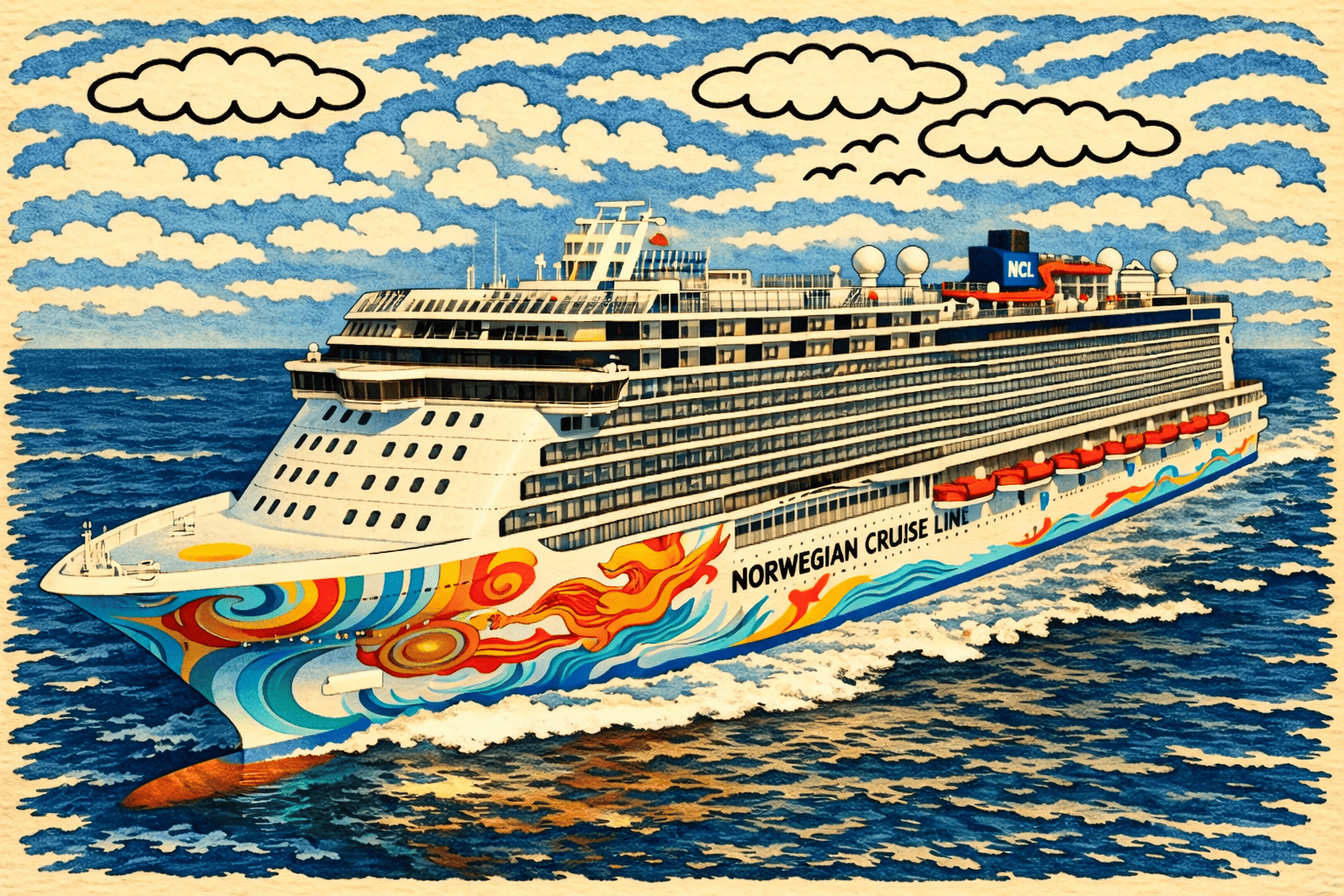
NCL was the pioneer of the Studio Cabin and remains the leader for American solo cruisers. They feature keycard-access solo lounges where you can grab a free specialty coffee, watch TV, and meet others during hosted happy hours.
- The Experience: It is very social. If you are nervous about being lonely, NCL is the safest bet.
- The Deal: While they recently announced an expansion of solo categories to include Solo Inside, Solo Oceanview,and Solo Balcony rooms across the fleet, demand is high. You rarely find “last minute” deals on these rooms because they sell out months in advance. The strategy here is to book early.
Royal Caribbean and Celebrity Cruises
For years, these lines ignored us, but that has changed.
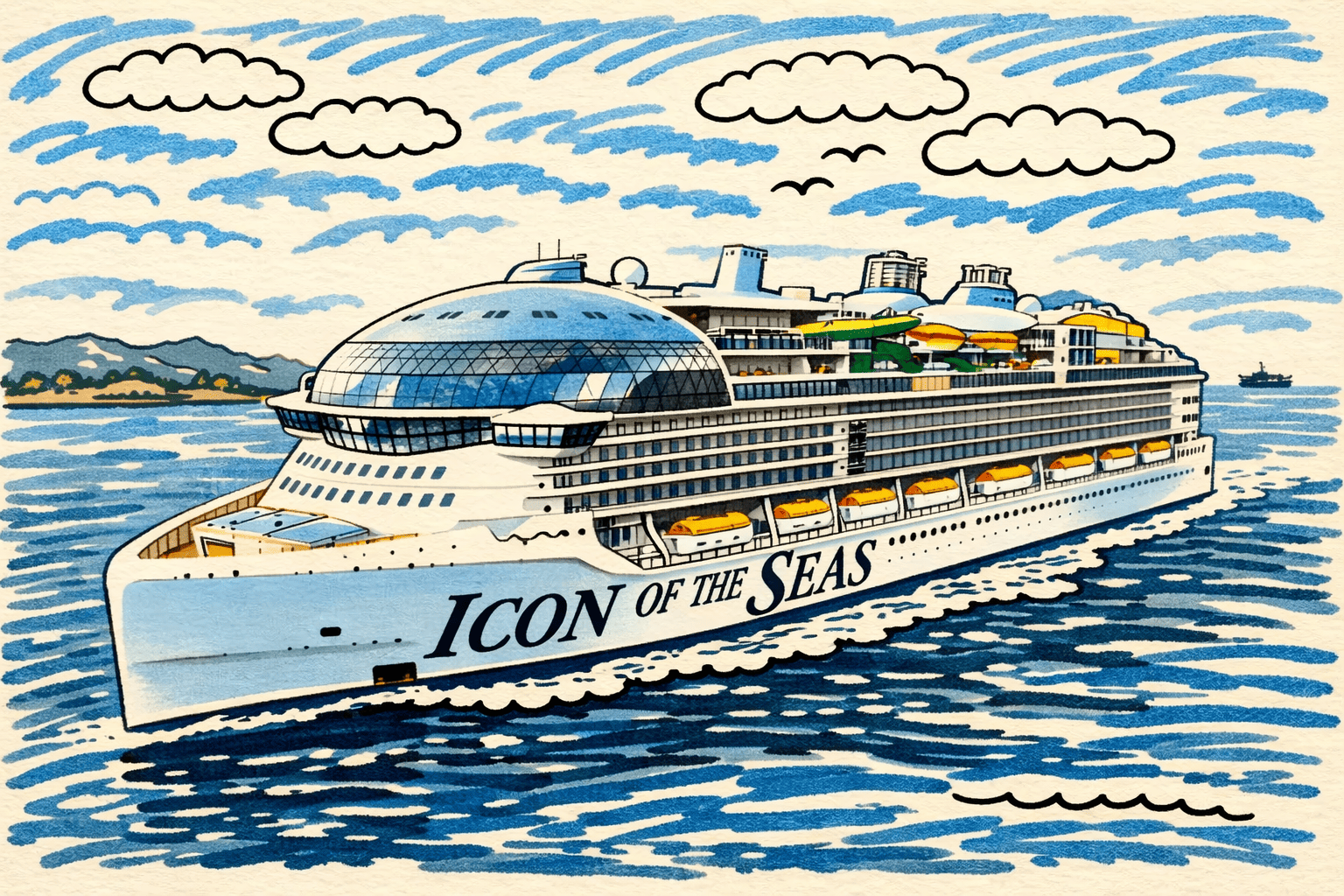
- Royal Caribbean: They have started retrofitting older ships with solo cabins and including them in new builds like the Icon of the Seas. Watch for their “Double Points” promotions. Even if the price is standard, solo travelers often earn 2 loyalty points per night instead of 1. This helps you reach “Diamond” status twice as fast, which yields long-term savings on drinks and internet.
- Celebrity Cruises: Their Edge-class ships feature “Infinite Veranda” solo rooms. These are stunning, luxury-feel rooms that are fully integrated into the ship, not hidden away in a corridor. Celebrity is great for a more relaxed,premium vibe without the chaos of waterslides.
MSC Cruises
MSC is aggressive with pricing and is currently one of the most affordable options for solos. They run a “Single Supplement” promotion frequently, often reducing the cost to 120% or 150% rather than 200%.
- The Insider Tip: MSC pricing is dynamic. If you join their “Voyagers Club” (they offer a status match program if you have status with Marriott, Hilton, or other cruise lines), you can get an extra 5% off.
- The Vibe: MSC is very international. You will hear five languages at dinner. If you want American-style service,stick to their ships sailing out of Miami or Port Canaveral, like the MSC Seashore or MSC World America.
Luxury Lines (Regent, Seabourn, Silversea)
This is where the “sticker shock” reverses. A mass-market cruise might charge you $1,500 for a room plus $500 for drinks, $200 for WiFi, and $300 for specialty dining. Luxury lines are all-inclusive.
- The Deal: Look for their specific “Single Supplement Specials.” Regent Seven Seas is famous for offering 0% to 25% supplements on select voyages. If you drink fine wine, take every shore excursion, and hate signing bills, a luxury solo deal often costs less total than a premium line like Celebrity or Holland America once you add everything up.
Hidden Gem: Repositioning Cruises
If you have time to spare, a repositioning cruise is the secret weapon for solo deals. These are voyages where the ship moves from one region to another, such as Florida to Europe (Transatlantic) or Alaska to California.
Because these sailings have many consecutive sea days and fewer port stops, they are harder to sell to families and working couples. Consequently, cruise lines often slash the single supplement to fill the ship. You can often find 13-night Transatlantic crossings for under $1,500 for a solo traveler on a premium line. It is the ultimate relaxation mode, and the solo communities on these voyages are tight-knit and friendly.
Red Flags: How to Spot Marketing Hype
Not every email in your inbox is your friend. As a solo traveler, you need to filter out the noise. Watch out for these common marketing traps.
- “Kids Sail Free”: This almost never applies to solo travelers. Furthermore, it indicates a sailing that will be packed with families during school holidays. If you are looking for peace and quiet, this is a red flag.
- “Free 3rd and 4th Guest”: This is completely irrelevant to you, yet it is often plastered on “Deal” pages. Do not let the bold font distract you.
- The “From” Price: That tempting $399 price tag is usually for a guarantee inside cabin at double occupancy.Always click through to the final checkout screen to see the “Solo Price” before getting excited. Note that taxes and port fees are charged per person, so you do not pay double for those. You only pay double for the cruise fare itself.
Practical Tips for Booking
Finding the deal is one thing, but securing it is another. Here are three tips from my experience.
- Check for “Resident Rates”: Sometimes the discount is not for solos, but for residents of certain states. If you live in Florida, Texas, or California, you might get a discount that offsets the single supplement.
- Use a Specialist Travel Agent: I cannot stress this enough. Big travel websites show you public prices. Agents who specialize in solo travel often have access to “group block” rates. They can put you in a group room (you still have your own private cabin) that was locked in at a lower rate months ago.
- Monitor Your Price: If you book a solo cabin on a line like Royal Caribbean and the price drops later, you can often call and get the difference as onboard credit. This only works before your final payment date, so keep checking the price even after you book.
Frequently Asked Questions
Can I negotiate the single supplement?
Generally, you cannot negotiate this directly with the cruise line. Pricing is automated and managed by complex algorithms similar to airline tickets. However, travel agents who specialize in solo travel sometimes have access to group rates where a block of rooms has lower pricing than the public website, effectively lowering your cost.
Are last-minute solo cruise deals better?
They can be, but it is a risky gamble. If a ship has many unsold cabins 60 days out, revenue management may drop the single supplement to 150% or even 0% to get bodies onboard. However, you risk the flight prices being much higher,which might negate your cruise savings. If you are driving to the port, last-minute deals are a fantastic strategy.
Do river cruises have better solo deals?
Yes, river cruise lines are very solo-friendly. Lines like AmaWaterways and Avalon Waterways often set aside a specific number of cabins on every sailing with a waived single supplement. Because river ships are small with only 150 guests,these specific solo spots vanish very quickly, so you need to book these far in advance compared to ocean cruises.
Is it cheaper to find a roommate?
Strictly speaking, yes, because you split the cost down the middle. Some lines offer “roommate matching” services, but this is declining in popularity due to privacy issues. Most experienced solo cruisers agree that the freedom of having your own sanctuary is worth the extra cost. If you want to save money, look for a studio cabin rather than a stranger to room with.
Does status matching help with solo prices?
Indirectly, yes. Status matching, like the program offered by MSC, or loyalty perks on Royal Caribbean can get you discounts on the fare or onboard credits. While it won’t erase the single supplement, a $100 onboard credit or a 5% discount helps offset the “solo tax” you are paying.
Conclusion
Finding a solo cruise deal requires a shift in mindset. You are not just looking for the lowest sticker price on the website; you are looking for the lowest “supplement percentage” and the highest value for your dollar.
Do not be discouraged by the “200%” standard. By focusing on lines that actively court solo travelers—like NCL with their Studios, Virgin with their cheeky sailor offers, or luxury lines with their waiver dates, you can see the world without breaking the bank. The industry is slowly waking up to the fact that we are a powerful demographic, and the deals are getting better every year.