You have finally decided to take the plunge. You are dreaming of sunset cocktails, exploring new islands, and the absolute freedom of traveling alone without compromising on your schedule. You find the perfect itinerary, you select your cabin, and you click through to the booking page. Suddenly, the price jumps. It is nearly double the per-person price you saw on the main page.
You check the screen again. You wonder if you accidentally added a second person or clicked the wrong button. Then you realize the truth.
Welcome to the world of the solo cruise supplement.
It is easily the most frustrating part of booking a solo cruise, but it does not have to be a dealbreaker. As someone who has spent years navigating these waters, sometimes gritting my teeth and paying the fee and other times successfully dodging it, I am here to explain exactly what this charge is. More importantly, I am going to share how you can beat it.
What Is a Single Supplement on a Solo Cruise?
A solo cruise supplement, often called a single supplement, is a surcharge added to the cruise fare for a passenger traveling alone in a stateroom designed for two people. Because the cruise industry business model is based on double occupancy, meaning two people per room, cruise lines charge solo travelers this extra fee to cover the revenue they lose by not having a second person in that cabin.
This fee typically ranges from 10% to 100% of the base cruise fare. If the supplement is 100%, which is the industry standard for most mainstream lines, you are essentially paying the full price of two people to travel by yourself.
Why Do Cruise Lines Charge This Fee?
It feels incredibly unfair. It feels like a tax on independence or a penalty for being single. However, to understand why this fee exists, you have to look at how cruise ships actually make their money. It is not just about the room rate.
The base fare you pay for your cabin is only one part of their revenue stream. The real profit often comes from what happens once you are onboard. The cruise lines rely on onboard spending to keep their ships profitable. When two people share a room, that is two people buying drink packages, booking shore excursions, playing in the casino, paying for specialty dining, and paying daily gratuities.
When you book that room alone, the cruise line loses that second person’s potential spending power. The “ghost passenger” who is not there represents a significant loss of revenue for the ship. The solo cruise supplement is their way of recouping that expected loss.
Important Note on Taxes and Fees
There is a silver lining here that many first-time solo cruisers miss. While the cruise fare might be doubled, the non-commissionable fares, which are the port fees and taxes, are usually charged per person, not per room.
Even if you pay a 100% supplement on the fare, you should only pay taxes and port fees for one human being. If you look at your invoice and see a line charging you double taxes, that is a major red flag. You should contact the cruise line or your travel agent immediately to have it adjusted.
How the Math Works: A Real World Example
To really understand the impact of the solo cruise supplement, let us look at the numbers. Let’s say you are looking at a 7-night Caribbean cruise advertised at $1,000 per person.
Scenario A: Two people traveling together Passenger 1 Fare: $1,000 Passenger 2 Fare: $1,000 Total Cabin Fare Revenue: $2,000 Plus taxes for two people.
Scenario B: You traveling solo (Standard 200% Rule) Your Fare: $1,000 Solo Cruise Supplement: $1,000 Total Cabin Fare Revenue: $2,000 Plus taxes for one person.
In this standard scenario, you are paying the full price of the room. The cruise line gets their $2,000 for the real estate you are occupying. However, savvy solo cruisers know you do not always have to pay this full amount. The landscape of solo travel is changing rapidly.
6 Ways to Avoid or Reduce the Solo Cruise Supplement
You do not always have to pay double. The travel industry is waking up to the fact that solo travelers are a huge and valuable market segment. Here are the strategies I use to keep my costs down.
1. Book a Studio or Solo Cabin
This is the most effective and straightforward way to bypass the supplement. Several major cruise lines now build specific cabins designed for one person. These rooms are priced for solo travelers, meaning there is no extra supplement to pay because the “supplement” is effectively baked into a fair price for one.
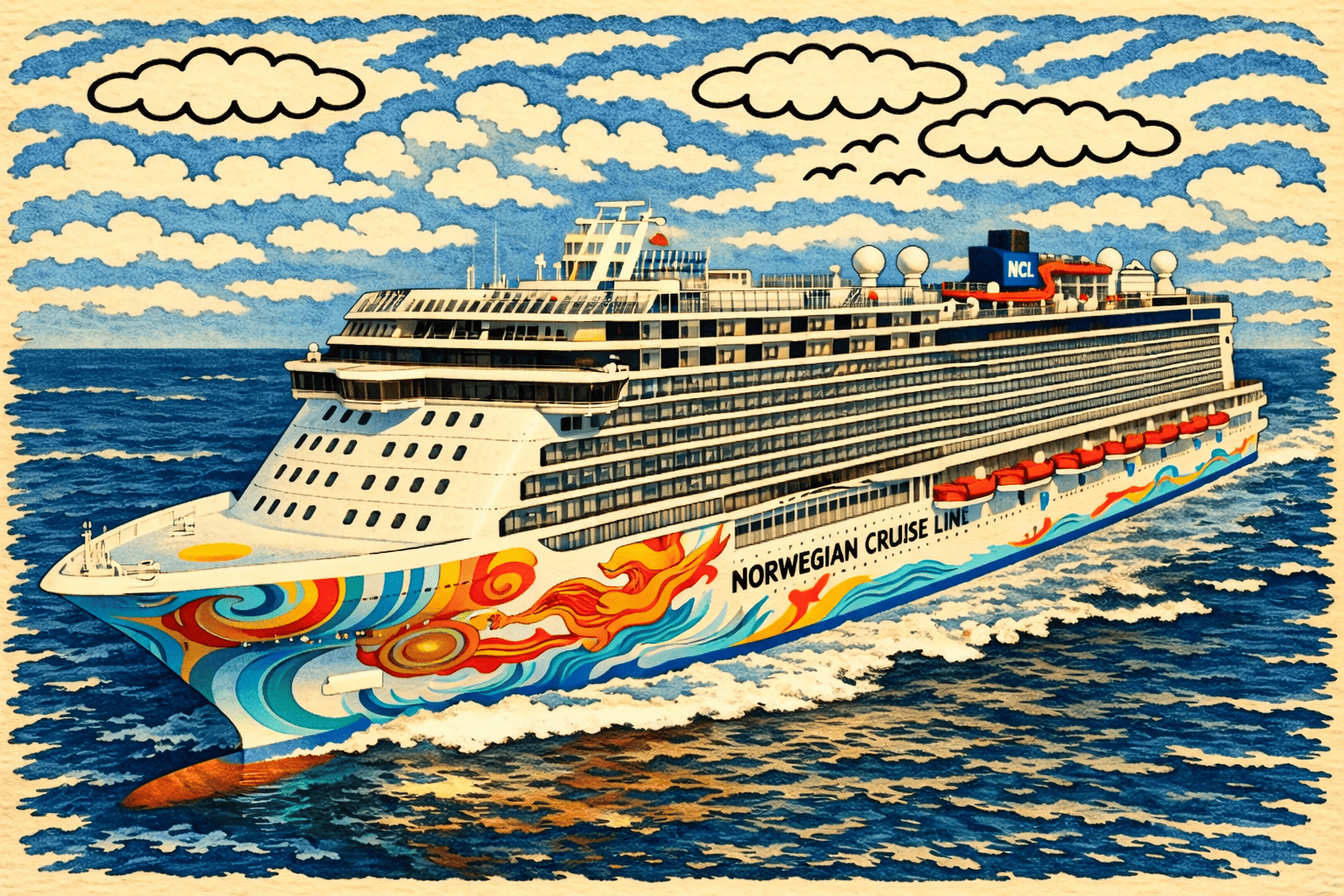
Norwegian Cruise Line (NCL) is the absolute pioneer in this space. They have Studio cabins on many ships that are small, funky, and highly functional. The best part is that Studio guests get keycard access to a private Studio Lounge. In this lounge, you can grab an espresso, watch TV, and meet other solo travelers at a nightly hosted happy hour. It makes the social aspect of solo cruising much easier.
Virgin Voyages is another fantastic option for American cruisers. They offer “Solo Insider” and “Solo Sea View” cabins. Virgin is an adults-only line, which creates a very social and solo-friendly vibe naturally. You will never feel like the odd one out on these ships.
Royal Caribbean and Celebrity Cruises have also started adding solo rooms to their newer ships, like the Infinite Veranda solo rooms on the Celebrity Edge class. These are real balcony rooms that are simply built for one person.
2. Look for Waived Supplement Promotions
If you want a standard double room because you want a full king-size bed or a large balcony, you can still avoid the extra fee by watching for sales.
Cruise lines simply want to fill ships. If a sailing is not selling well, they will often drop the solo cruise supplement to 0% or offer reduced rates like 25% or 50%. This happens frequently during “Wave Season,” which runs from January to March, or close to the sailing date when they are trying to clear inventory.
I have snagged amazing deals on premium lines by just waiting for a “no single supplement” offer. Signing up for email alerts from lines like Oceania or Azamara is a smart move, as they run these promotions often on specific sailings.
3. Consider River Cruising
If you are open to a different style of travel, look at river cruises in Europe. While this is different from the massive ocean liners, lines like Riviera River Cruises and Avalon Waterways are incredibly friendly to solos.
Riviera often sets aside a specific number of cabins on every sailing that are completely supplement-free. Avalon frequently waives the supplement on their specific staterooms. Since river ships are smaller and more intimate, you also do not get lost in the crowd like you might on a mega-ship with 5,000 people.
4. Check Luxury Cruise Lines
It sounds counterintuitive, but sometimes spending more upfront saves you money on the supplement. Premium and luxury lines like Silversea or Seabourn often have much lower standard supplements, sometimes as low as 10% or 25%.
When you factor in that these lines are often all-inclusive, meaning your drinks, wifi, and tips are already included in the fare, the total price might be comparable to a mainstream line where you pay a 100% supplement plus all the extra add-ons. Do the math on the “out the door” price rather than just the sticker price.
5. Use a Match Program
I personally prefer my own space, but if you are on a tight budget and just want to get on the ocean, some travel agencies and cruise lines offer roommate matching. You pay the per-person double occupancy rate, and they pair you with another solo traveler of the same gender.
Holland America Line has a “Single Partners Program” on some sailings where they try to match you. If they cannot find you a partner, you sometimes get the room to yourself at the agreed lower rate. It is a gamble on your roommate, but it is a guaranteed win for your wallet.
6. Relocation Cruises
If you have plenty of time and flexibility, look for “repositioning” or relocation cruises. These happen when ships move from one region to another, such as from the Caribbean to the Mediterranean in the spring. These voyages have many sea days and are harder to sell, so lines often reduce or wave the solo supplement to get bodies onboard.
Common Mistakes Solo Cruisers Make
Over the years, I have seen many people overpay simply because they did not know the rules or made assumptions about how pricing works.
Booking Too Early Without Checking Policies Sometimes booking two years out locks you into a high supplement. If the price drops or a “solo promo” pops up later, some lines will not let you reframe your booking to the lower rate without a penalty. It is often worth waiting for the 60 to 90-day window if you are flexible, as that is when unsold inventory gets discounted.
Assuming Solo Rooms Are Always Cheaper This is a big one. Always do the math. Sometimes a specific “Solo Studio” is in such high demand that it costs more than booking a standard inside cabin that happens to have a reduced supplement promo. Always compare the total bottom-line price, not just the category name. I have seen instances where a solo cabin was $1,500, but a regular interior room with a sale was $1,200 total.
Forgetting About Loyalty Points Some cruise lines reward solo travelers with extra loyalty points. For example, Royal Caribbean gives you an extra cruise point per night if you travel solo in a double-occupancy room. If you are chasing status for free drinks or laundry, paying the supplement might actually be worth it for the double points. If you book a solo-specific studio cabin, you usually only get the standard one point per night.
The Mental Hurdle: Is It Fair?
When you see that charge on your invoice, it is easy to feel taken advantage of. It is the number one complaint I hear from readers. You are eating one meal, using one towel, and occupying one seat in the theater. Why should you pay for two?
It helps to reframe it. You are paying for privacy. You are paying for the luxury of not having to share a bathroom, not having to negotiate what time the lights go out, and having a sanctuary that is entirely yours. In the hotel industry, we pay for the room regardless of how many people are in it. The cruise industry is just structured differently because of the add-on revenue model.
Once you accept the economics of it, it becomes easier to focus on finding the loopholes rather than being angry at the system.
FAQs About Solo Cruise Pricing
Do I have to pay double gratuities if I cruise solo?
Usually, the answer is no. Daily gratuities, also known as service charges, are charged per person, per day. Even if you are paying a solo cruise supplement for the cabin, you are only one human being. You should only see one daily service charge on your bill. If you see two, go to Guest Services immediately to have it corrected.
Which cruise line is best for solo travelers?
Norwegian Cruise Line (NCL) remains the best for first-timers because of their dedicated Studio complex and lounge. It provides a built-in community. However, for a more upscale and modern vibe, Virgin Voyages is rapidly becoming a favorite because their crew is very inclusive and the absence of children makes it easy to meet people.
Can I negotiate the single supplement?
Directly negotiating with a cruise line representative on the phone rarely works for mass-market lines. Their systems are rigid. However, travel agents who specialize in solo travel often have access to group rates or “block space” that might have lower supplements than what you see on the public website.
Are solo cabins smaller than regular cabins?
Yes, typically they are. A solo studio might be 100 square feet compared to a standard 160 square foot cabin. However, they are designed efficiently. If you plan to spend most of your time by the pool or exploring ports, the smaller space is rarely an issue.
Does the single supplement apply to shore excursions?
No. Shore excursions, drink packages, and specialty dining are priced per person. You will never pay a supplement on these add-ons. You only pay for what you consume.
How do I find “Zero Single Supplement” deals?
The best way is to be flexible. Use websites like CruisePlum or Vacations To Go which allow you to filter specifically by “single supplement percentage.” You can sort results to show cruises with a 0% to 50% supplement.
Final Thoughts
Seeing that extra charge can sting, but do not let the math scare you away from an incredible experience. Solo cruising is one of the most empowering ways to travel. You wake up when you want, eat where you want, and make friends on your own terms.
By being flexible with your dates, checking for solo-specific cabins, and keeping an eye out for waived supplement deals, you can often get that price down to a reasonable level. The freedom of standing on your own private balcony, even if you paid a little extra for it, watching the ocean go by is worth every penny.
Your Next Step
If you are ready to start looking, I would suggest checking out the deck plans of the ship you are interested in to see if they have “Studio” or “Solo” categories. If you want to dive deeper, you can also filter your search on major travel sites by “lowest price for singles” to uncover hidden deals.