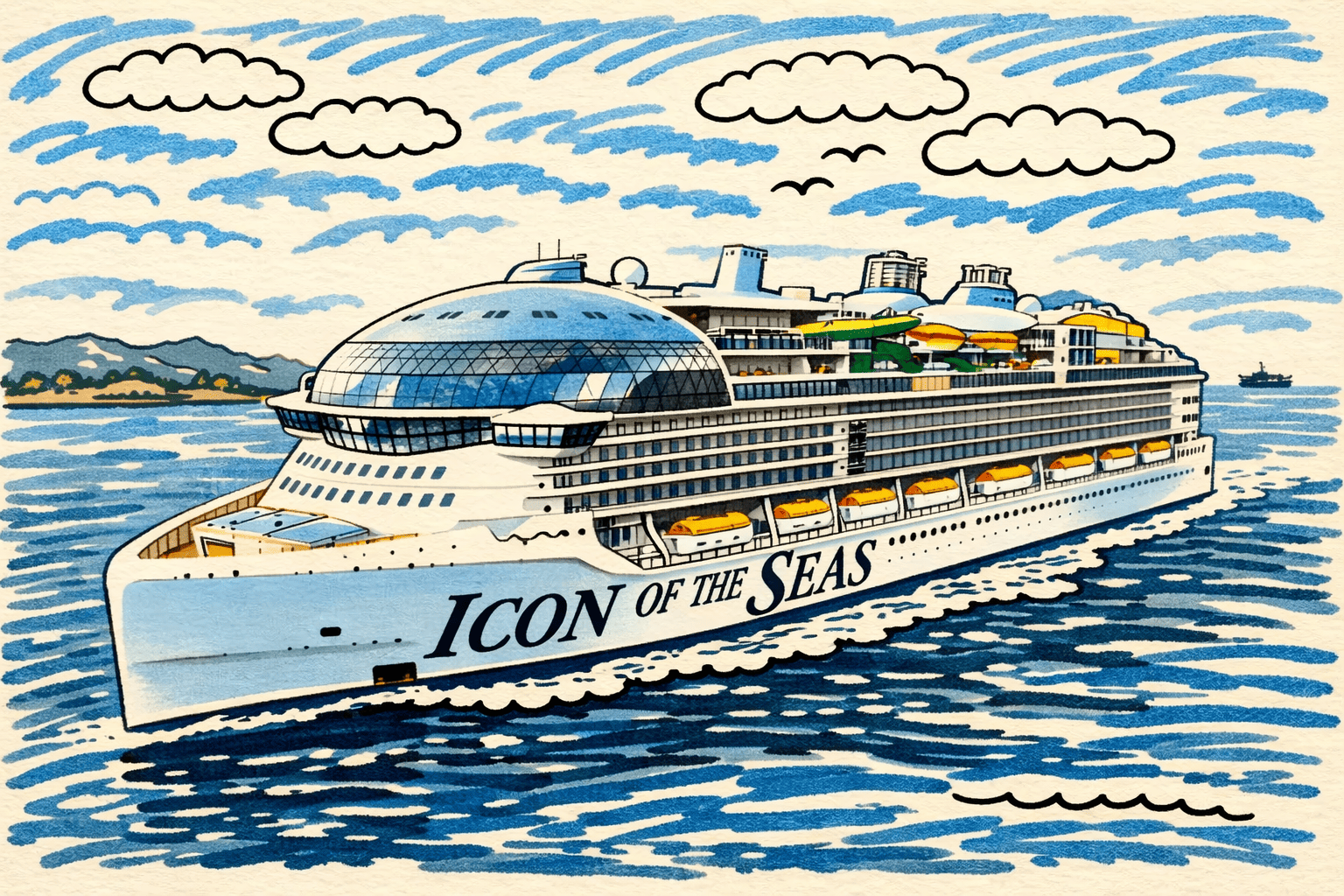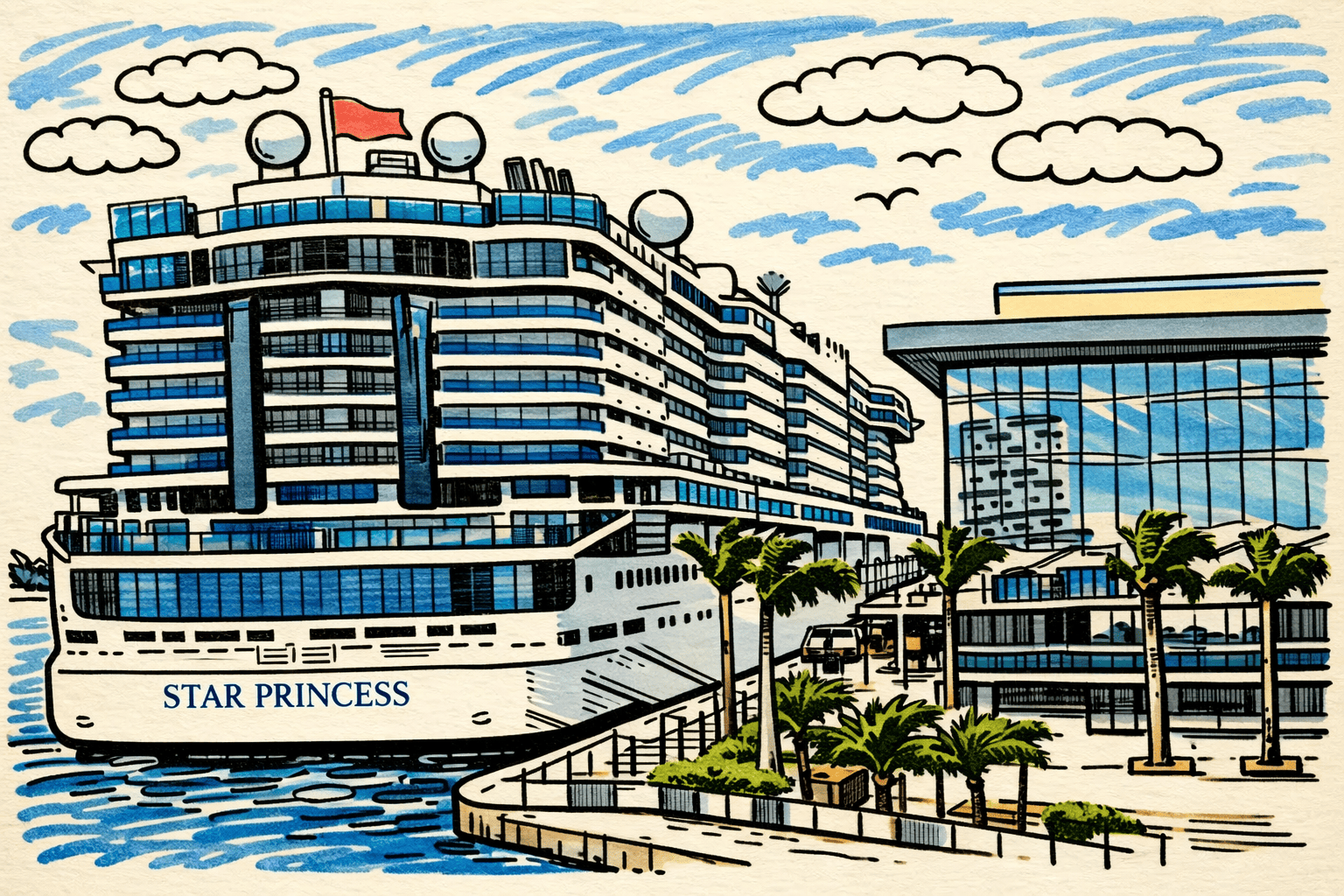
You have probably stared at a computer screen in disbelief. You found the perfect Caribbean itinerary on Holland America or a dreamy Alaskan voyage on Princess. The price per person listed was $900. You clicked “select,” changed the guest count to one, and suddenly the price shot up to $1,800.
Welcome to the single supplement. In the travel industry, we often call this the “solo tax,” and it is the single biggest barrier for travelers who want to explore the world on their own terms. Cruise lines base their revenue models on double occupancy, meaning they expect two people in every room spending money on drinks, shore excursions, and specialty dining. When you book that room alone, they want you to cover the “missing” person’s fare.
But here is the truth that cruise lines do not advertise: You do not have to pay it.
I have sailed solo on dozens of ships, from massive Royal Caribbean floating cities to elegant Princess vessels, and I rarely pay double. While many people try to scour the internet themselves using complex filters, the most effective way to beat the system is actually much more personal. It involves leveraging relationships, understanding “distressed inventory,” and knowing exactly which seasons work in your favor.
This guide will walk you through how to find solo cruise deals without a single supplement by using strategies that go beyond simple Google searches.
The Most Effective Strategy: Travel Agent Group Blocks
If you want the short answer on how to find solo cruise deals without a single supplement, here it is: Stop booking directly with the cruise line.
The most consistent way to avoid paying double is to find a travel agent who holds “group space.”
Here is how it works. Large travel agencies and consortia (groups of agencies) will reserve dozens or even hundreds of cabins on a specific sailing up to two years in advance. Because they are buying in bulk, the cruise line gives them a special rate and often more flexible terms.
Sometimes, these group contracts include “waived” or “reduced” single supplements as a perk to help the agent sell the rooms. Even if the cruise line’s website shows a 200% fare for a solo traveler, a travel agent might have a block of rooms on that same ship locked in at a 125% or even 100% fare.
This is not a public sale. You will not find these rates on Expedia or the cruise line’s homepage. You access them by finding a travel advisor who specializes in solo travel and asking them specifically about their “group block inventory.”
The “Casino Rate” Loophole
This is perhaps the best-kept secret in the American cruise market, especially for lines like Princess, Holland America, and Royal Caribbean. You can bypass the single supplement almost entirely by leveraging casino status.
You do not need to be a “high roller” losing thousands of dollars to make this work. Many solo cruisers find that the math works in their favor if they play strategically.
Cruise line casinos operate almost like separate companies within the ship. They have their own marketing budgets and their own authority to comp rooms. Their goal is to get players onboard. They do not care if there is one person in the room or two; they only care if that one person is playing.
Once you accrue a certain number of points in a cruise line’s casino program, you will start receiving “Casino Rate” offers via email. These offers are frequently deeply discounted and often waive the single supplement entirely because the casino assumes you will spend money at the tables.
I know solo travelers who play a modest amount on slot machines during one cruise, and a month later, they receive offers for “Free Interior Cabins” (just pay taxes and fees) for their next trip. When you calculate the cost of the “gambling investment” versus the cost of a full single supplement, the casino route often wins.
Why Repositioning Cruises Are Gold for Solos
If you have flexibility in your schedule, repositioning cruises are the easiest places to find reduced supplements naturally.
Most cruise ships do not stay in one place all year. In April and May, ships move from the Caribbean to Alaska or Europe. In September and October, they move back. These voyages, often called “transatlantics” or “repositions,” are long. They can last 12 to 16 days and involve many days at sea.
Couples often struggle to book these because taking two weeks off work is difficult. Families cannot book them because kids are in school. This leaves the ship with a lot of empty cabins.
To fill the ship, cruise lines like Holland America and Princess become very generous with solo travelers.
I have seen transatlantic crossings priced as low as $600 total for a solo traveler in an interior room. That is less than $50 a day for your room, food, and entertainment. The single supplement on these routes is frequently dropped to as low as 10% or eliminated entirely.
The trick is to look for these specific months:
- April/May: Caribbean to Europe/Alaska
- September/October/November: Europe/Alaska to Caribbean
Leveraging Loyalty Programs for Discounts
While this is a long-term play, staying loyal to one brand can eventually eliminate the pain of the single supplement.
Princess Cruises is a favorite for American solo travelers because of their loyalty program structure. When you sail solo on Princess and pay the single supplement, you earn double cruise credits.
If a 10-day cruise gets a couple 10 credits each, a solo traveler gets 20 credits. This allows you to climb the status ladder twice as fast. While this does not waive the fee upfront, the backend perks—like free laundry, free mini-bar setup, and priority tender tickets—add significant value that offsets the cost.
Royal Caribbean operates similarly. Once you hit 340 points (Pinnacle Club), the single supplement drops significantly, though that takes a long time to achieve.
However, keep an eye on “Double Points” promotions. If you book a solo cruise during a double points promo, you could theoretically earn 4x points on a single sailing (2x for solo, 2x for the promo). This “status hacking” is a favorite hobby of frequent solo cruisers.
The Truth About “Studio” Cabins
You might have heard about “solo cabins” or “studio cabins.” These are small rooms built specifically for one person, priced without a supplement.
Lines like Norwegian Cruise Line (NCL) were pioneers here, creating studio areas with a private lounge where solos can meet for coffee and happy hour.
Newer ships from Holland America (like the Rotterdam and Koningsdam) and Princess (like the Sun Princess) are finally adding these rooms too.
However, there is a catch you need to know: Math matters.
Sometimes, a “sold out” solo cabin creates a scarcity mindset. You might see a solo cabin listed for $1,200 and book it immediately because it says “No Supplement.” But if you checked the regular interior cabins, you might find a sale where a standard double room is going for $1,000 including the supplement.
Always compare the final, out-the-door price of a solo cabin versus a standard cabin. Do not assume the solo cabin is cheaper just because it is smaller.
Practical Tips for Your Search
When you are ready to book, keep these practical tips in mind to ensure you are truly getting a deal.
Book Late (Inside 90 Days) The biggest price drops happen after the “Final Payment Date.” This is usually 90 days before the cruise sails. At this point, people cancel, and the cruise line knows exactly how many empty rooms they have left. If the ship is looking empty, they will drop the single supplement restrictions to get bodies on board. This requires nerves of steel, but it pays off.
Check “Resident” Rates If you live in Florida, Texas, California, or other coastal states, cruise lines often offer resident discounts. Sometimes these discounts are applied in a way that effectively lowers the total solo price, even if the supplement is technically there.
Look for “Casino” Rates (Even without status) Wait, didn’t I mention this above? Yes, but here is a different nuance. Sometimes you can buy your way into a casino rate through third-party websites that specialize in casino travel. You do not always have to be a current player; sometimes signing up for a player’s card in advance is enough to get on a marketing list.
Common Myths About Solo Cruising
Myth: You will be lonely. Reality: Solo cruising is incredibly social. On lines like Holland America, there are hosted solo traveler meetups. You can ask to be seated at a “sharing table” at dinner. I have met more people traveling alone than I ever did traveling with a partner because I was more open to conversation.
Myth: You only get the worst rooms. Reality: This used to be true, but not anymore. While some older ships have solo cabins in odd locations, many new ships put solo cabins in prime spots. And if you book a standard room with a waived supplement, you have the exact same room as everyone else.
Myth: It is unsafe. Reality: A cruise ship is one of the safest places to travel alone. There are cameras everywhere, security is tight, and you are never truly isolated. It is an excellent way to see parts of the world that might feel intimidating to visit on a land-based solo trip.
FAQs: Your Solo Cruising Questions Answered
Which cruise line is best for solo travelers over 50?
Holland America and Princess are the top choices for this demographic. They offer a refined experience without the chaotic party atmosphere of budget lines. Both attract a mature crowd, and they are very good at hosting “solo & singles” get-togethers early in the cruise (usually lunch or cocktails) so you can find dinner companions if you want them.
Do I have to share a room to avoid the supplement?
No, you do not have to share. While some programs exist that match you with a roommate (like Holland America’s Single Partners Program), the strategies in this guide, like finding group blocks or booking last minute—allow you to have your own private cabin without paying double.
Why do cruise lines charge a single supplement?
It comes down to onboard revenue. The cruise fare only covers part of the line’s costs. They rely on alcohol sales, casino spend, specialty dining, and shore excursions to make a profit. A solo traveler in a room takes up the same “real estate” as a couple but typically generates only half the onboard spending. The supplement is their way of protecting that revenue.
Can I negotiate the single supplement?
Generally, you cannot negotiate directly with the cruise line call center. The agents on the phone usually do not have the power to waive fees. However, a travel agent with high volume might be able to pull strings or move you into a group block that has better pricing. This is why using an agent is better than booking direct.
Are drinks packages cheaper for solo travelers?
Yes! This is one area where we win. If you are in a cabin with two people, most cruise lines require both people to buy the alcohol package if one person wants it. As a solo traveler, you only have to buy one package. This can save you hundreds of dollars compared to what a couple pays.
Conclusion
Finding a solo cruise deal without a single supplement requires a shift in mindset. It is not about simply hoping for a sale; it is about looking in the right places.
Instead of fighting the cruise line’s website, try reaching out to a travel agent who specializes in solo cruise deals and ask about their group space. Consider a repositioning cruise if your schedule allows, or look into the loyalty perks on Princess and Holland America.
The world is too big to wait for a travel partner. The deals are out there, and now you have the map to find them.