Cruising alone is one of the most freeing travel experiences you can have. You wake up when you want, eat where you like, and make friends on your own terms. But there is often one major hurdle standing between you and that perfect vacation. It is the cost. If you have ever looked at a cruise fare and realized the price for one person is almost the same as for two, you have met the dreaded single supplement. It can be discouraging.
You might be wondering if it is even possible to cruise alone without breaking the bank. The good news is that the industry is changing. Cruise lines are slowly waking up to the fact that solo travelers are a massive market. If you know where to look and when to book, you can find incredible value. In this guide, I will walk you through exactly how to cruise solo for cheap, sharing the specific strategies I use to keep my budget in check while seeing the world.
The Short Answer: Can You Cruise Solo for Cheap?
Yes, you absolutely can cruise solo for cheap if you are flexible and strategic. The most effective way to lower your cost is to avoid the standard “single supplement,” which is the extra fee cruise lines charge to cover the cost of the second person who is not in the cabin.
To do this, you generally have three main options. First, you can book a studio cabin, which is a smaller room designed and priced specifically for one person. Second, you can look for specific sailings where the cruise line has waived the single supplement as a promotion to fill empty rooms. Third, you can book during the shoulder season or look for repositioning cruises, where the base daily rates are so low that even with a supplement, the total cost remains very affordable. Combining these tactics is the secret to affordable solo travel.
Understanding the Enemy: The Single Supplement
Before we fix the problem, we need to understand it. Most cruise ship cabins are priced based on “double occupancy.” This means the cruise line assumes two people will be in that room, both paying a fare and both spending money onboard on drinks, specialty dining, and excursions.
When you travel alone in a standard double room, the cruise line loses that second person’s revenue. To make up for it, they charge you a “single supplement.” This often ranges from 10% to 100% of the cruise fare. In the worst case scenarios, you are paying double. It feels unfair, but it is standard industry practice. However, you do not have to accept it. There are specific ways to navigate around this fee.
Strategy 1: Book a Studio Cabin
The easiest way to avoid paying for two people is to book a room made for one. Studio cabins, sometimes called solo cabins, are rising in popularity. These rooms are designed specifically for the solo traveler. They are usually smaller than a standard interior room, but they are efficient and modern.
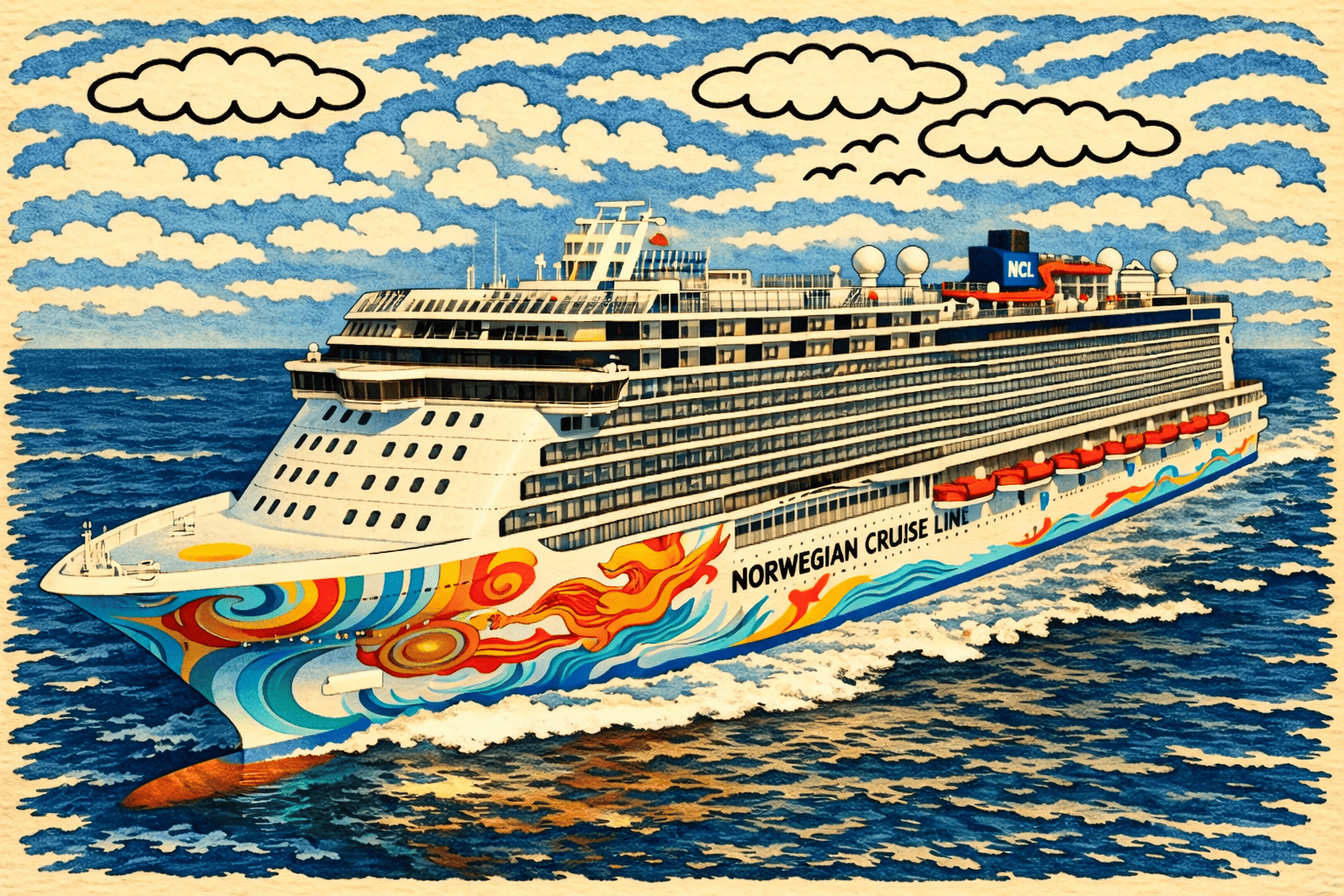
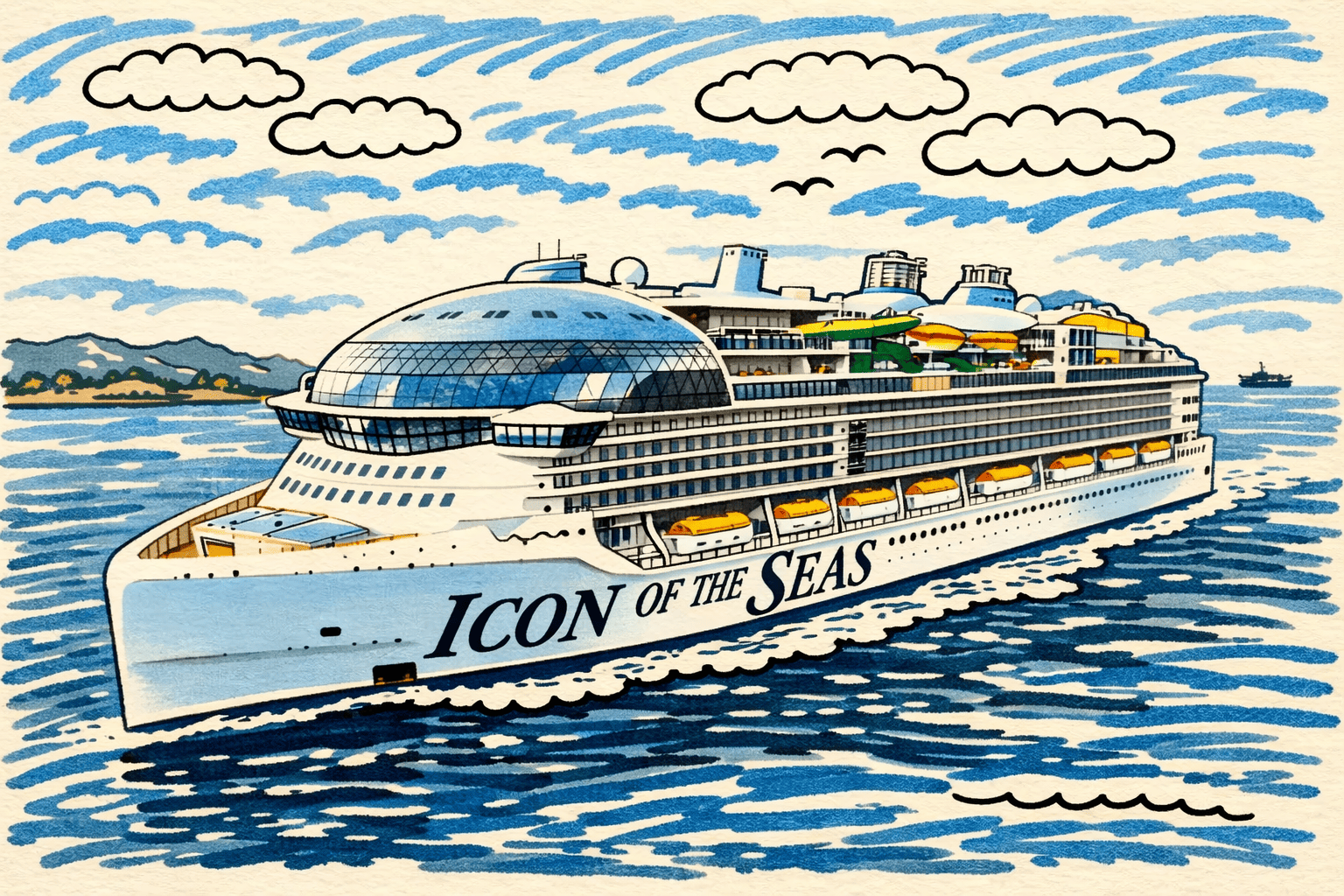
The best part about a studio cabin is that the price you see is the price for one person. There is no math to do and no hidden 100% markup. Norwegian Cruise Line was the pioneer here, offering entire complexes of studio cabins that even include access to a private lounge where you can meet other solo cruisers. Since then, other lines like Royal Caribbean, Holland America, Virgin Voyages, and MSC have started adding them to their newer ships.
Why this works:
- You pay a flat rate for one person.
- You often get access to exclusive solo traveler meetups.
- You do not feel like you are rattling around in a room meant for a couple.
The downside:
- These cabins sell out very fast because there are not many of them.
- They are often interior rooms with no window, though some newer ships offer oceanview studios with virtual or real windows.
Strategy 2: Hunt for Waived Single Supplements
If you cannot find a studio cabin, or if you simply want more space, your next best bet is to find a “waived single supplement” deal. This happens when a cruise line has too many empty cabins on a specific sailing. Rather than letting the cabin sail empty, they will remove the extra fee for solo travelers.
This means you can book a standard double cabin (an interior, oceanview, or sometimes even a balcony) for the price of just one person. These deals are the holy grail of solo cruising.
To find them, you usually have to be flexible. They pop up on sailings that are not selling well. This often happens close to the sailing date or on older ships. You can filter cruise search engines by “low single supplement” or sign up for newsletters specifically for solo travelers. When you see one of these deals, you need to book it immediately. They rarely last long.
Strategy 3: Timing is Everything
If you have rigid vacation dates during peak times like Christmas or July, you will struggle to find a deal. The secret to cruising solo for cheap is often about when you sail, not just how you book.
Sail During Shoulder Season
Shoulder season is the period between the peak season and the off season. For the Caribbean, this is often September, October, and early November (hurricane season risks aside) or early December and January. For Europe and the Mediterranean, look at April, May, or late October.
During these times, families are at school and work. Ships are less full. Because demand is lower, cruise lines are much more likely to lower the single supplement or offer reduced base fares. You get the same food, the same entertainment, and the same ports, but for a fraction of the cost.
Look for Repositioning Cruises
This is my favorite tip for experienced travelers. Twice a year, many ships move from one region to another. For example, they might move from the Mediterranean to the Caribbean for the winter. These voyages are called repositioning cruises.
They are often long (13 to 16 days) and involve many days at sea. Because fewer people can take two weeks off work to be stuck on a ship in the middle of the ocean, the prices are incredibly low. It is common to see per day costs that are lower than a budget hotel. Even if you have to pay a small supplement, the total cost for a two week vacation can be cheaper than a one week cruise during peak season.
Booking Tactics: When to Pull the Trigger
There are generally two schools of thought on when to book to get the best price, and both apply to solo cruisers differently.
The Early Bird: If you want a studio cabin, you usually need to be an early bird. Since there might only be 15 or 30 studio cabins on a ship that holds 4,000 people, they are the first to go. Booking 12 to 18 months in advance locks in that solo rate.
The Last Minute Gambler: If you are willing to take a standard room and hope for a waived supplement, waiting can pay off. 30 to 60 days before sailing is “final payment” time for most guests. If people cancel, or if the ship is not full, the revenue management computers at the cruise line might drop the solo supplement to 0% to fill the ship. This is risky because the price could also go up, or the flight prices might be too high to make it worth it.
Cutting Costs Onboard
Getting a cheap ticket is only half the battle. Once you are on the ship, it is very easy to accidentally spend hundreds of dollars more than you planned.
- Skip the Drink Package: Unless you drink 6 to 8 alcoholic beverages every single day, the drink package is rarely worth it for one person. As a solo traveler, you often spend more time exploring ports or relaxing in the spa than sitting at the bar all day. Calculate your potential consumption honestly.
- Independent Shore Excursions: Cruise line excursions are convenient but expensive. You can often book similar tours with local operators for 30% to 50% less. Just make sure you get back to the ship on time.
- Wi-Fi Strategy: Internet at sea is pricey. If you do not need to work, consider skipping the Wi-Fi package. Use the free Wi-Fi in port terminals or coffee shops on land to check in with family. It saves money and helps you disconnect.
FAQs
Do all cruise lines charge a single supplement?
Almost all cruise lines have a single supplement as a standard policy, usually ranging from 50% to 100% of the cruise fare. However, many lines now offer specific “solo cabins” that do not have this fee, or they run promotions where the supplement is waived or reduced for specific sailings. It is not universal, but it is the default starting point.
Is it cheaper to book a studio cabin or a regular interior?
Usually, a studio cabin is cheaper because it is priced for one person with no extra fees. However, if a cruise line is running a “no single supplement” sale on regular cabins, a standard interior room might actually be cheaper or the same price as a studio, but with much more space. You always have to compare the final total price, not just the advertised rate.
What is the cheapest month to go on a cruise?
The cheapest months are generally when school is in session. For the Caribbean and Bahamas, early December (before the holidays), January, and September are usually the lowest prices. For Europe, early spring (April) and late autumn (November) offer the best rates. Avoiding school holidays is the number one rule for saving money.
Are last-minute cruise deals good for solo travelers?
Yes, last-minute deals can be excellent for solo travelers because that is when cruise lines try to fill empty cabins by removing the single supplement. The risk is that airfare booked at the last minute might be very expensive, which could cancel out your savings on the cruise fare. This strategy works best if you live near a cruise port and can drive to the ship.
Which cruise lines are best for solo travelers on a budget?
Norwegian Cruise Line (NCL) is widely considered the best for budget solo travelers because they have the most studio cabins across their fleet. Royal Caribbean and MSC Cruises are also adding more solo cabins to their ships. For older demographics, Holland America sometimes offers good solo deals on their longer voyages.
Conclusion
Cruising solo does not have to be expensive. While the industry was built for couples, the tide is turning. By being smart about your cabin choice, staying flexible with your dates, and knowing exactly what the single supplement is, you can explore the world on your own terms and on your own budget.
Don’t let the initial sticker shock stop you. Dig a little deeper, look for those studio cabins, or hunt for a shoulder season bargain. The experience of standing on the deck, watching the ocean go by with absolutely no one to answer to but yourself, is worth every penny.
If you are ready to start planning your specific route, you might want to check out our guides on packing for a solo cruise or read our deep dive into the best cruise lines for solo travelers to see which ships have the best facilities for you.